Why a Qdoba Nutrition Calculator Is Useful for Tracking Your Diet
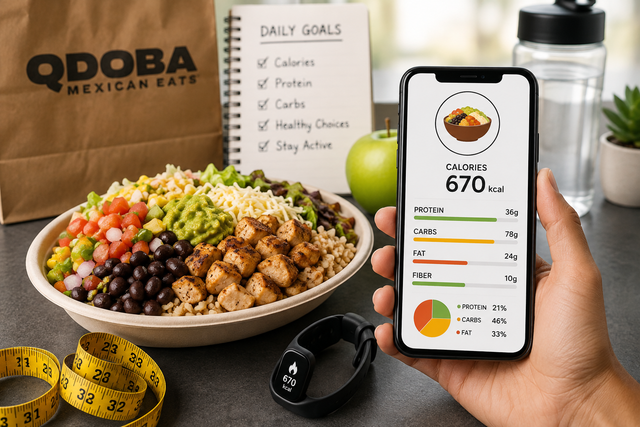
Eating out does not have to mean losing track of your nutrition goals. When you visit Qdoba, you can build a meal from many ingredients, including proteins, rice, beans, vegetables, sauces, cheese, and toppings. While that flexibility makes each meal easy to customize, it can also make it difficult to estimate calories and nutrients. A qdoba nutrition calculator can make this process much simpler.
Instead of guessing how much energy, protein, fat, carbohydrates, or other nutrients are in a customized meal, you can review the ingredients and understand how they contribute to your overall intake. This can be especially helpful for people who want to maintain a balanced diet while still enjoying restaurant food.
What Is a Qdoba Nutrition Calculator?
A Qdoba nutrition calculator is a tool designed to help estimate the nutritional content of a meal based on the ingredients selected. Rather than looking at one standard menu item, you can consider the individual components of your order.
For example, a bowl might include seasoned rice, black beans, chicken, salsa, cheese, lettuce, and guacamole. Each ingredient contributes different amounts of calories and nutrients. When those ingredients are combined, the total can be quite different from another bowl made with different portions and toppings.
A calculator gives you a more practical way to understand that combination. It can help turn a complicated restaurant order into a clearer nutritional picture, making meal planning less dependent on guesswork.
Why Tracking Restaurant Meals Matters
Many people track what they eat at home but pay less attention to restaurant meals. This can create gaps in their daily records. Restaurant portions, sauces, cheese, dressings, and toppings can add significant calories without always being obvious.
Tracking does not mean that every meal needs to be perfect. Instead, it provides information that can help you make decisions. If you know that one meal is more filling than expected, you can adjust another meal or snack later in the day.
A qdoba nutrition calculator is useful because it brings that same awareness to a customizable restaurant meal. You can compare different combinations before deciding what fits your day best.
Understanding Calories and Macronutrients
Calories are only one part of nutrition, but they are often the first number people want to understand. A customized meal can change considerably depending on the ingredients and quantities chosen.
Macronutrients are also important. Protein supports muscle maintenance and helps promote fullness. Carbohydrates provide energy, while dietary fat plays several important roles in the body. Looking at these nutrients together gives you a broader understanding of a meal.
For instance, someone focused on increasing protein may choose a protein-rich main ingredient and add beans. Someone trying to manage carbohydrate intake may pay closer attention to rice, tortilla choices, and other carbohydrate-containing ingredients. A calculator helps make these differences easier to see.
Build Meals Around Your Personal Goals
Nutrition needs are different for everyone. Some people may be trying to maintain their current weight, while others may be working toward a particular fitness or eating goal. Because Qdoba meals can be customized, you have considerable control over what goes into your order.
You might use a calculator to:
- Compare two different meal combinations
- Increase the protein content of a meal
- Reduce unnecessary calorie additions
- Keep track of carbohydrates or fat
- Plan a restaurant meal within your daily intake
It is to understand your choices so you can create meals that work with your preferences and routine.
Customization Makes a Big Difference
One of the biggest advantages of a restaurant such as Qdoba is customization. Two customers can order meals that look similar but have very different nutritional values.
Adding cheese, sour cream, guacamole, sauces, or extra portions can change the final numbers. On the other hand, adding vegetables or choosing lighter ingredient combinations may alter the balance in another direction.
This is why relying only on the nutrition information for a general menu category may not provide the full picture. A customized calculator can be more useful because it considers the ingredients that are actually part of your order.
Make Healthier Choices Without Giving Up Flavor
Healthy eating does not require eliminating foods you enjoy. In many cases, a more sustainable approach is learning how to balance flavor, satisfaction, and nutrition.
If you love a particular topping, you do not necessarily have to remove it completely. You might choose a smaller amount of another ingredient to keep the meal within your preferred range. Similarly, you can combine flavorful salsas and vegetables with a protein source to create a satisfying meal without relying on every available topping.
Using a calculator encourages this kind of flexible thinking. Instead of asking whether a meal is healthy or unhealthy, you can ask how it fits into your overall eating pattern.
Helpful for Meal Planning
Planning ahead can make it easier to stay consistent with dietary habits. If you already know you will be eating at Qdoba, you can explore meal combinations before ordering.
You can decide what ingredients you want, estimate the nutritional totals, and make adjustments before placing your order.
A simple planning routine might look like this:
- Choose your main protein
- Select a base such as rice or another preferred option
- Add beans and vegetables
- Review toppings and sauces
- Check the estimated nutritional totals
- Adjust portions if needed
This process takes only a little preparation but can give you greater confidence in your meal choices.
Useful for Different Eating Styles
A nutrition calculator can also help people with different dietary preferences. Someone focused on protein may use it to compare protein sources. A person watching calories may concentrate on total energy intake. Others may simply want to increase vegetables or understand the amount of fat and carbohydrates in their meal.
Understanding Portion Sizes Over Time
It can also help you become more familiar with portion sizes. As you compare meals, patterns become easier to recognize, which may make future choices faster. That familiarity can support daily consistency without requiring you to calculate every meal from scratch.
Avoiding Common Tracking Mistakes
Nutrition tracking becomes less useful when people rely on assumptions. A common mistake is estimating a customized meal from memory without considering every topping or portion.
Another mistake is focusing on calories alone. Two meals can contain similar calorie totals but provide different amounts of protein, fiber, carbohydrates, and fat. Looking at several nutritional factors provides more context.
It is also important to remember that calculator results are estimates. Actual portions can vary, and preparation methods may affect nutritional values. Use the numbers as practical guidance rather than treating them as perfectly precise measurements.
Turn Information Into Better Decisions
The real value of a qdoba nutrition calculator is not the number displayed on a screen. It is the decision-making process that follows. Once you understand what each ingredient contributes, you can make choices that better match your needs.
This approach can also reduce the stress of trying to eat perfectly. A balanced diet is built from patterns over time, not from one restaurant meal.
Make Every Meal Fit Your Bigger Picture
Restaurant food can comfortably be part of a thoughtful eating routine when you know what you are choosing. A qdoba nutrition calculator provides a convenient way to estimate the nutritional value of customized meals and compare different ingredient combinations.
By checking calories, macronutrients, portions, and toppings, you can make more informed decisions without giving up the flexibility and flavor that make dining out enjoyable. The key is to use the information as a helpful guide rather than a source of pressure.
Whether you are planning lunch during a busy day or simply curious about what is in your favorite Qdoba order, taking a few moments to review the nutritional details can make your choices clearer. With consistent awareness and a flexible mindset, tracking restaurant meals can become a simple part of a balanced lifestyle.
